
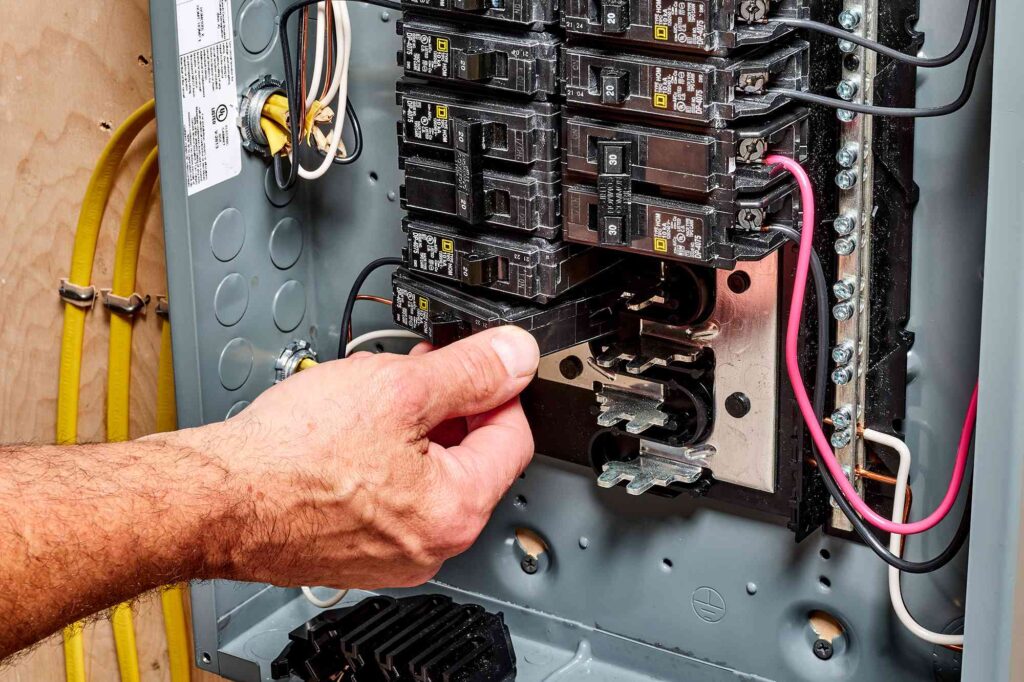
Dealing with a tripped circuit breaker is a common household nuisance, but when it becomes a recurring problem, it signals a deeper electrical issue. Understanding the costs involved in diagnosing and fixing a faulty breaker is crucial for any homeowner. This comprehensive guide for 2026 will break down the average expenses, factors influencing the price, and what to expect when you call a professional electrician in the United States.
The Immediate Concern: Why is My Breaker Tripping?
Before diving into costs, it’s important to understand why your breaker might be tripping. Circuit breakers are safety devices designed to protect your home’s electrical system from overloads and short circuits. When a breaker trips, it’s doing its job. However, frequent tripping indicates a problem that needs professional attention. Common culprits include:
- Overloaded Circuit: Too many high-power appliances plugged into one circuit.
- Short Circuit: A hot wire touching a neutral wire, often due to damaged insulation.
- Ground Fault: A hot wire touching a ground wire or grounded part of the electrical box.
- Faulty Appliance: A defective appliance drawing too much current.
- Bad Breaker: The breaker itself is old, worn out, or defective.
While resetting a tripped breaker is simple, persistent issues require an electrician to diagnose the root cause and ensure your home’s safety.
Average Cost to Fix a Breaker in 2026
The cost to have an electrician fix a circuit breaker can vary significantly based on the nature of the problem, the type of breaker, and your geographical location. On average, homeowners in the U.S. can expect to pay anywhere from $100 to $300 for a standard circuit breaker replacement, including parts and labor. However, this can go up to $500 or more for specialized breakers or complex diagnostic work.
Here’s a general breakdown of what contributes to the cost:
1. Electrician’s Labor Rates
Labor is often the largest component of the cost. Electricians typically charge an hourly rate, or a flat service call fee that includes a certain amount of diagnostic time. In 2026, average electrician hourly rates in the U.S. range from $75 to $150 per hour, but can be higher in metropolitan areas or for emergency services.
- Service Call Fee: Many electricians charge a base fee (e.g., $75-$150) just to come to your home. This often covers the first 30-60 minutes of diagnostic work.
- Diagnostic Time: If the problem isn’t immediately obvious, the electrician will spend time troubleshooting, which adds to the labor cost. This can range from 1 to 3 hours for complex issues.
- Repair Time: Once the problem is identified, the actual repair or replacement of the breaker usually takes 30 minutes to 2 hours.
2. Cost of the Circuit Breaker Itself
The price of the breaker depends on its type and amperage. Here’s a look at common breaker types and their approximate costs:
| Breaker Type | Average Part Cost (2026) | Description |
|---|---|---|
| Standard Single-Pole (15-20 Amp) | $5 – $20 | Most common for general lighting and outlets. |
| Standard Double-Pole (30-50 Amp) | $10 – $30 | Used for larger appliances like electric dryers, water heaters. |
| GFCI (Ground Fault Circuit Interrupter) | $30 – $60 | Required in wet areas (kitchens, bathrooms, outdoors) to prevent shocks. |
| AFCI (Arc Fault Circuit Interrupter) | $35 – $75 | Required in bedrooms and living areas to prevent electrical fires from arc faults. |
| Dual Function (GFCI/AFCI) | $45 – $100 | Combines protection of both GFCI and AFCI breakers. |
| Main Breaker (100-200 Amp) | $75 – $200 | The primary breaker that controls all power to your home. |
Note: These are part costs only. Professional installation will add labor fees.
Understanding the cost to fix a breaker is just one part of your electrical budget. If you’re planning a larger project or want to compare rates, check out our complete guide on how-much-does-an-electrician cost for full home rewiring, panel upgrades, and general electrical services. Knowing the full scope of electrician pricing helps you budget smarter for any electrical repair or installation.
Factors That Influence the Total Cost
Several variables can impact how much you’ll pay to have a circuit breaker fixed:
2.1. Type of Breaker
As seen above, specialized breakers like GFCI, AFCI, or Dual Function units are more expensive than standard ones. Their installation can also be slightly more complex, potentially increasing labor time.
2.2. Nature of the Problem: Repair vs. Replacement
- Simple Reset/Minor Fix: If the issue is just an overloaded circuit or a loose wire, the electrician might only charge the service call fee plus a minimal labor charge for diagnosis and a quick fix.
- Breaker Replacement: If the breaker itself is faulty, it will need to be replaced. This involves the cost of the new breaker plus labor.
- Underlying Circuit Issue: If the breaker is tripping due to a persistent short circuit or ground fault in the wiring, the electrician will need to locate and repair that fault. This diagnostic work can be time-consuming and significantly increase the cost.
2.3. Location, Location, Location
Electrical costs vary widely across the United States. Major metropolitan areas and states with higher costs of living (e.g., California, New York, Massachusetts) typically have higher electrician rates than rural areas or states with lower living expenses (e.g., Texas, Florida, Midwest states).
2.4. Emergency vs. Scheduled Service
If your breaker issue occurs outside of normal business hours (nights, weekends, holidays), you can expect to pay premium emergency rates, which can be 1.5 to 2 times the standard hourly rate. An emergency service call might also include a higher base fee.
2.5. Age and Accessibility of Your Electrical Panel
- Older Panels: If your electrical panel is old (e.g., fuse box, Federal Pacific, Zinsco), replacing a single breaker might be more complicated, or the electrician might recommend a full panel upgrade for safety reasons. This is a much larger project with significantly higher costs.
- Accessibility: If the electrical panel is in a cramped crawl space, a cluttered basement, or behind obstacles, it will take the electrician longer to access and work on, increasing labor costs.
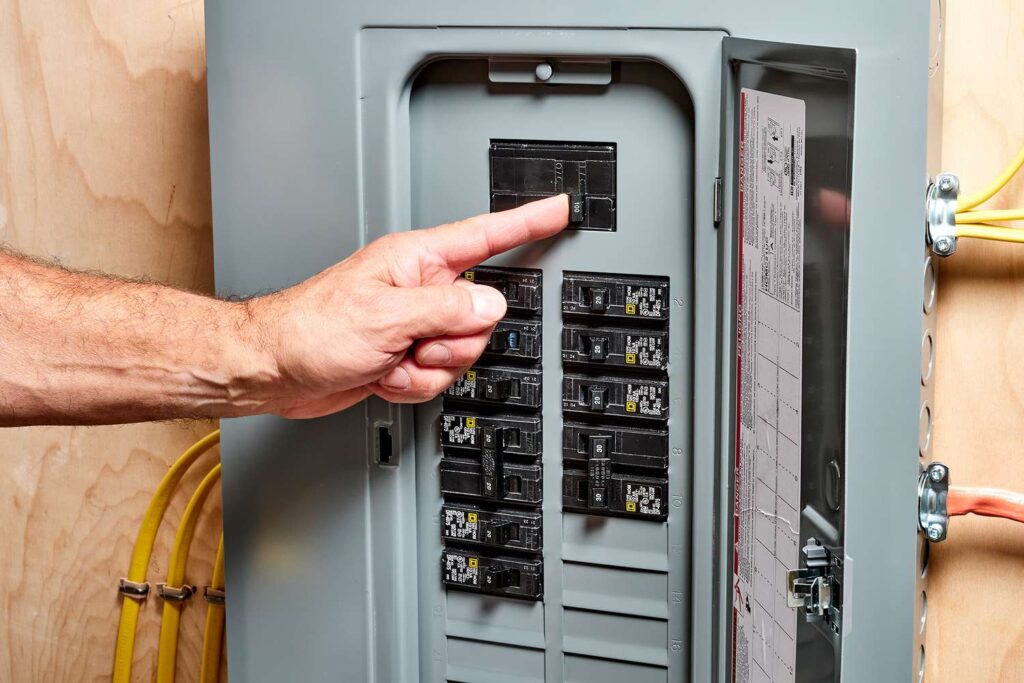
When to Repair vs. When to Replace the Breaker (or Panel)
An experienced electrician will help you make this decision. Here’s a general guideline:
- Repair: If the breaker is tripping due to an external issue (overload, short in an appliance) and the breaker itself tests fine, then repairing the external issue is sufficient.
- Replace Breaker: If the breaker itself is old, visibly damaged, or consistently trips even after the external fault is cleared, it’s time for a replacement. A new breaker ensures reliable protection.
- Replace Panel: If your panel is outdated, undersized for your home’s electrical needs, or uses a brand known for safety issues, the electrician might recommend a full panel upgrade. This is a significant investment (typically $1,300 – $3,000+) but essential for safety and future electrical demands.
Signs You Have a Bad Circuit Breaker
How do you know if the breaker itself is the problem, rather than an overloaded circuit?
- Frequent Tripping: The most obvious sign. If a breaker trips repeatedly even after you’ve unplugged appliances or reduced the load.
- Hot to the Touch: A breaker that feels hot when it hasn’t tripped could indicate an internal fault.
- Burning Smell: A burning odor coming from the electrical panel is a serious sign of overheating and potential fire risk. Call an electrician immediately.
- Visible Damage: Discoloration, scorch marks, or a melted appearance on the breaker or around it.
- Doesn’t Reset: If the breaker won’t stay in the
ON position after being tripped, it’s likely faulty.
DIY vs. Professional Electrician: A Safety Perspective
While the idea of saving money by attempting a DIY repair might be tempting, working with electrical systems is inherently dangerous. A single mistake can lead to:
- Electrocution: Serious injury or death.
- Electrical Fires: Devastating damage to your home.
- Further Damage: Incorrect repairs can worsen the problem, leading to more expensive fixes down the line.
- Code Violations: DIY electrical work often doesn’t meet local electrical codes, which can void insurance policies and create safety hazards.
For these reasons, it is strongly recommended to always hire a licensed and experienced electrician for any circuit breaker issues. Their expertise ensures the job is done safely, correctly, and up to code.
How to Get an Accurate Estimate
To avoid surprises, follow these steps when getting quotes from electricians:
- Describe the Problem Clearly: Explain when the breaker trips, what appliances are connected to it, and any other symptoms you’ve observed.
- Request a Detailed Quote: Ask for a breakdown of parts, labor, and any service call fees. Ensure it specifies whether the quote is for repair or replacement.
- Ask About Warranties: A reputable electrician will offer a warranty on their work and the parts they install.
- Check Credentials: Verify that the electrician is licensed, insured, and has positive reviews.
- Get Multiple Quotes: Obtain at least three quotes to compare prices and ensure you’re getting a fair deal.
State-by-State Cost Variations (Illustrative Examples for 2026)
To give you a better idea of geographical differences, here are some illustrative cost ranges for a standard circuit breaker replacement (parts + labor) in various U.S. states for 2026. Note: These are estimates and can vary significantly within states based on city, electrician experience, and specific job complexity.
| State | Average Cost Range (Standard Breaker Replacement) |
|---|---|
| California | $150 – $350 |
| New York | $175 – $400 |
| Texas | $100 – $250 |
| Florida | $110 – $270 |
| Illinois | $120 – $280 |
| Massachusetts | $160 – $380 |
| Arizona | $100 – $240 |
| Pennsylvania | $130 – $300 |
| Ohio | $100 – $260 |
| Washington | $140 – $320 |
These variations are primarily due to differences in the cost of living, local labor rates, and specific state/local regulations regarding electrical work.
Beyond the Breaker: When to Consider a Panel Upgrade
Sometimes, a tripping breaker is a symptom of a larger, more systemic issue with your home’s electrical panel. If your home is older, or you’ve recently added new high-demand appliances, your existing electrical panel might not be able to handle the load. Signs that you might need a panel upgrade include:
- Frequent Breaker Trips: Especially if multiple breakers are tripping regularly.
- Flickering Lights: Indicates an inconsistent power supply.
- Outdated Panel: Fuse boxes or panels from brands like Federal Pacific Electric (FPE) or Zinsco are known fire hazards and should be replaced.
- Burning Smells or Scorching: Critical signs of an overloaded or failing panel.
- Insufficient Outlets: Relying heavily on extension cords.
- Adding Major Appliances: New EV chargers, central AC units, or large kitchen appliances often require more power than older panels can provide.
While a full electrical panel upgrade is a significant investment (ranging from $1,300 to $3,000+ for a 200-amp service), it’s a crucial safety upgrade that increases your home’s value and ensures it can meet modern electrical demands.
Preventative Maintenance: Keeping Your Electrical System Healthy
Regular maintenance can help prevent breaker issues and extend the life of your electrical system:
- Avoid Overloading Circuits: Distribute high-power appliances across different circuits.
- Inspect Cords and Outlets: Replace damaged cords and loose outlets promptly.
- Annual Electrical Inspection: Have a licensed electrician inspect your electrical panel and wiring annually to catch potential problems early.
- Upgrade Outdated Wiring: If your home has old knob-and-tube or aluminum wiring, consider upgrading for safety.
Conclusion: Don’t Gamble with Electrical Safety
A tripping circuit breaker is more than just an inconvenience; it’s a warning sign from your home’s electrical system. While understanding the potential costs is important, prioritizing safety and hiring a qualified professional is paramount. Attempting DIY electrical repairs can lead to dangerous situations, costly mistakes, and even invalidate your home insurance.
By understanding the factors that influence the cost, knowing what questions to ask, and recognizing when to call in the experts, you can ensure your home’s electrical system remains safe, efficient, and up to code. Don’t hesitate to contact a licensed electrician for any breaker issues – it’s an investment in your home’s safety and your peace of mind.
Frequently Asked Questions (FAQs)
Q1: How long does it take an electrician to fix a breaker?
A1: For a straightforward breaker replacement, it typically takes an electrician 30 minutes to 2 hours. If diagnostic work is needed to find an underlying issue, it could take longer, usually 1 to 3 hours for troubleshooting.
Q2: Can I replace a circuit breaker myself?
A2: While it might seem simple, replacing a circuit breaker involves working with live electricity and requires specific knowledge of electrical systems and local codes. It is highly recommended to hire a licensed electrician to ensure safety and compliance.
Q3: Why is my circuit breaker tripping repeatedly?
A3: Repeated tripping usually indicates an overloaded circuit (too many devices drawing power), a short circuit, a ground fault, or a faulty breaker. An electrician can diagnose the exact cause.
Q4: What’s the difference between a GFCI and an AFCI breaker?
A4: A GFCI (Ground Fault Circuit Interrupter) breaker protects against electrical shock by detecting imbalances in current. An AFCI (Arc Fault Circuit Interrupter) breaker protects against electrical fires by detecting dangerous electrical arcs. Both are crucial safety devices, often required in specific areas of a home by electrical codes.
Q5: When should I consider upgrading my entire electrical panel instead of just fixing a breaker?
A5: You should consider a panel upgrade if your home is old (e.g., has a fuse box), you frequently experience tripping breakers across multiple circuits, your lights flicker, you smell burning from the panel, or you’re adding major new appliances that require more power than your current panel can provide.
Q6: Do electricians charge a service call fee for breaker issues?
A6: Yes, most electricians charge a service call or trip fee, which typically covers their travel to your home and initial diagnostic time (e.g., 30-60 minutes). This fee is often separate from the cost of parts and additional labor for the repair itself.
Q7: Are emergency electrician costs higher for breaker repairs?
A7: Yes, emergency services (nights, weekends, holidays) for breaker repairs typically incur premium rates, often 1.5 to 2 times the standard hourly rate, plus potentially a higher service call fee. It’s best to address breaker issues during regular hours if they are not an immediate safety hazard.