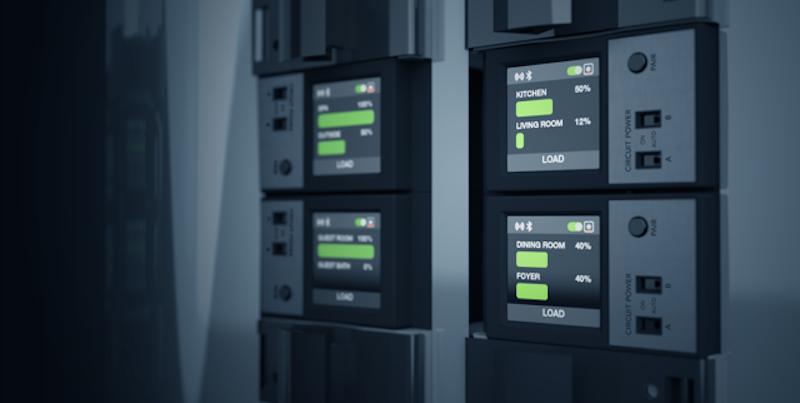
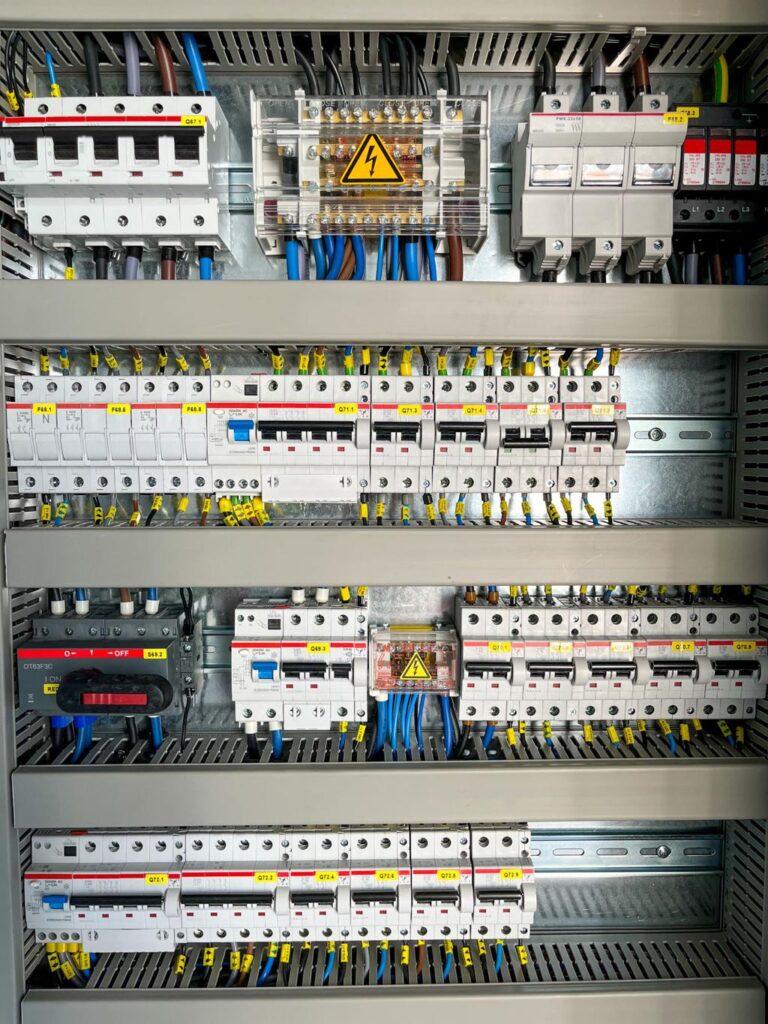
In this guide, we break down the house rewiring cost 2026 to help homeowners plan their budget…”
Rewiring a house is the single most important infrastructure investment a homeowner can make in 2026. As we transition into an era of total home electrification—driven by EVs, heat pumps, and smart grids—your home’s electrical system is no longer just a utility; it is a high-tech asset. In 2026, the average cost to rewire a house in the United States ranges from $8,500 to $18,000, with high-end smart-integrated projects reaching $30,000+.
Home Size (Sq. Ft.)
Basic Rewire (2026)
Smart-Integrated Rewire
Duration
Up to 1,200
$3,000 – $6,500
$8,000 – $12,000
4–6 Days
1,200 – 2,500
$7,000 – $14,000
$15,000 – $22,000
7–10 Days
2,500 – 4,500+
$15,000 – $28,000
$30,000 – $50,000+
12–20+ Days
1. Regional Cost Variations: The “State Factor”
The cost of electrical labor varies significantly across the U.S. due to local licensing requirements and the cost of living.
High-Cost Hubs (NY, CA, MA): Expect to pay $120 – $200 per hour for a Master Electrician. Permits in NYC or San Francisco can exceed $1,000.
Mid-Range Markets (TX, FL, GA): Labor rates typically fall between $80 – $130 per hour. Permits are generally more streamlined.
Rural/Low-Cost Areas: Rates can be as low as $60 – $90 per hour, though travel fees for specialized contractors may apply.
2. Deep Dive: Material Costs in 2026
With fluctuations in copper prices, material costs now account for approximately 35% – 40% of the total quote.
Component
Estimated Cost (Materials Only)
Purpose
200-Amp Smart Panel
$1,500 – $3,500
Central brain with energy monitoring
NM-B (Romex) 12/2 Wire
$150 – $250 per 250ft roll
Standard outlet/lighting circuits
AFCI/GFCI Breakers
$50 – $90 per breaker
Figre and shock prevention (NEC required)
Smart Switches/Outlets
$30 – $70 each
Remote control and automation
3. The “DIY vs. Professional” Debate: Why You Cannot Skip the Pro
In 2026, the risks of DIY electrical work have never been higher. Most U.S. municipalities strictly forbid unlicensed individuals from performing whole-home rewiring for several critical reasons:
The Insurance Trap: If a fire occurs and your insurance company discovers that the electrical work was not performed by a licensed contractor with a valid permit, your claim will be denied. You could lose your entire home investment.
4. Case Studies: Rewiring by Architectural Era
The challenges and costs change depending on when your home was built.
The Historic Home (1900 – 1940)
Challenge: Lath and plaster walls, knob-and-tube wiring, and zero grounding.
Strategy: “Fishing” wires through narrow cavities to avoid destroying original woodwork.
Cost Impact: +25% labor premium due to delicacy.
The Mid-Century Ranch (1950 – 1970)
Challenge: Often contains aluminum wiring or “Federal Pacific” panels (known fire hazards).
Strategy: Full replacement of branch circuits and panel upgrade.
Cost Impact: Standard rates, but high urgency for safety.
5. The Future-Proofing Checklist: Don’t Rewire Twice
If you are opening your walls in 2026, you should integrate these features now to save thousands in the future:
200-Amp or 400-Amp Service: Necessary for all-electric homes (Heat pumps + EV + Electric Stove).
Dedicated EV Circuit: A NEMA 14-50 outlet or hardwired charger in the garage.
Whole-Home Surge Protection: Protects your $5,000 smart fridge and $2,000 OLED TV from grid spikes.
Data Backbone (Cat6a): Reliable 10Gbps internet in every room, bypassing Wi-Fi interference.
Critical Load Sub-Panel: For easy integration of battery backups (Tesla Powerwall, etc.) or generators.
6. How to Read Your Electrician’s Quote
A professional quote should be itemized. Beware of “lump sum” bids. Look for:
Permit Fees: Listed separately.
Fixture Allowance: Is lighting included or just the wiring?
Patching/Painting: Most electricians do NOT patch drywall. You will need a separate budget for this (approx. $1,500 – $3,000).
Warranty: A reputable contractor should offer at least a 5-year warranty on labor.
7. Maintenance: Protecting Your New 50-Year System
Once rewired, your system should last 40-60 years. To ensure longevity:
Annual Thermal Scan: Use an infrared camera to check for hot spots in the panel.
GFCI Testing: Press the “Test” button on your bathroom/kitchen outlets every 6 months.
Avoid Overloading: Even with new wiring, avoid “daisy-chaining” power strips.
8. Final Verdict: Is it Worth it?
The short answer is Yes. Beyond the immediate safety of your family, the financial return is clear. A home with a “Certified 2026 Electrical System” is a premium asset that attracts higher-quality buyers, lower insurance rates, and total peace of mind.
Contact us today for a 20-Point Electrical Safety Audit and a comprehensive quote for your home’s 2026 upgrade.
9. Frequently Asked Questions (FAQs): Expert Answers for Homeowners
Q: How long does it take to rewire a 2,000-square-foot house in 2026?
A: On average, a full rewire for a standard-sized home takes between 7 to 10 working days. This timeline can extend if your home has difficult access points (like finished basements or crawlspaces) or if you are integrating complex smart home systems.
Q: Can I live in my home while the rewiring is in progress?
A: Yes, most homeowners remain in their homes. Electricians typically work in “zones,” ensuring that at least one part of the house has power and is livable. However, expect some noise, dust, and temporary power outages in specific rooms throughout the day.
Q: Does a full rewire include fixing the drywall?
A: Generally, no. Most electrical quotes cover the wiring, panel, and device installation. “Fishing” wires often requires cutting small holes in the drywall. You should budget an additional $1,500 to $3,500 for a professional taper and painter to patch these holes once the electrical work is inspected.
Q: Will rewiring my house lower my home insurance premiums?
A: In most cases, yes. Insurance companies view outdated wiring (especially aluminum or knob-and-tube) as a high risk. By providing a certificate of a completed, permitted rewire, you can often negotiate a 5% to 15% discount on your annual premium.
Q: What is the difference between a 100-amp and a 200-amp service?
A: A 100-amp service was standard for homes in the 1970s. However, with today’s demand for EV chargers, electric HVAC systems, and high-end appliances, a 200-amp service is the modern minimum requirement. A 400-amp service is recommended for large luxury estates or homes with multiple EV chargers.
Q: Is it possible to do a “partial” rewire to save money?
A: While possible, it is often not recommended. A partial rewire only addresses immediate hazards but leaves old, potentially dangerous wiring in other parts of the house. Furthermore, the labor cost of having an electrician return multiple times often exceeds the cost of doing a full rewire in one session.
Q: Do I need a permit for a whole-house rewire?
A:Absolutely. A permit is a legal requirement in almost every U.S. jurisdiction. It ensures that a third-party city inspector verifies the safety of the work. Without a permit, you may face fines, issues during home resale, and the potential denial of insurance claims.