
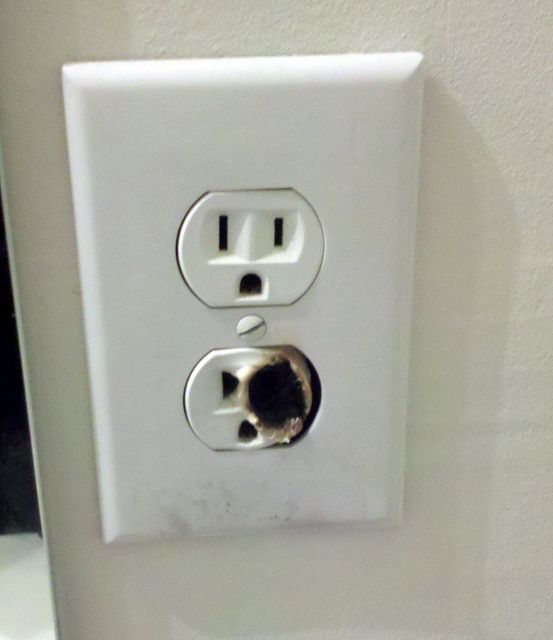
URGENT: If you currently smell burning from your outlets, turn off your breaker immediately and call our 24/7 emergency hotline. Electrical fires can spread in minutes — don’t wait.
If you notice a Burning Smell from Outlet sin your home in Chicago, this could be a serious sign of an electrical issue that needs immediate attention from a qualified electrician. This type of problem is common in older homes, but it can also occur in newer properties when wiring is faulty or the electrical system is overloaded. That’s why it’s important to contact a local Chicago electrician who has experience diagnosing and repairing outlet issues before they turn into serious hazards such as electrical fires or damage to your appliances.
Emergency Electrician in Chicago
Same-Day Service | Licensed & Insured | All Neighborhoods
📞 866-227-8161
Available 24/7 — No Overtime Charges
Table of Contents
- Why Do My Outlets Smell Like Burning in Chicago?
- 5 Electrical Fire Warning Signs You Can’t Ignore
- Burning Smell from Outlet But Nothing Plugged In
- Is a Burning Smell from Outlets Dangerous?
- What to Do If You Smell Burning from Outlets
- How Much Does Outlet Repair Cost in Chicago?
- DIY vs Professional: What Chicago Homeowners Need to Know
- Chicago Electrical Code & Permit Requirements
- Chicago Neighborhoods We Serve
- Frequently Asked Questions
Why Do My Outlets Smell Like Burning in Chicago?
A burning smell from outlets is one of the most alarming signs of electrical trouble in your Chicago home. Unlike other cities, Chicago presents unique challenges that make this problem both more common and more dangerous.
1. Chicago’s Aging Housing Stock
Over 40% of Chicago homes were built before 1950, many with original knob-and-tube wiring or early aluminum wiring — both known fire hazards. These outdated systems weren’t designed to handle modern power demands like:
- Space heaters (essential during Chicago’s brutal winters)
- Air conditioners (critical during humid summers)
- Multiple devices per outlet (phones, laptops, TVs, gaming systems)
💡 Did You Know? Chicago’s Building Code requires electrical upgrades when selling homes built before 1975, but many older properties still have outdated systems that haven’t been inspected in decades.
2. Harsh Chicago Winters & Space Heater Overload
When temperatures drop below zero in Lincoln Park or Wicker Park, Chicagoans crank up space heaters — often plugging multiple units into the same circuit. A standard 15-amp outlet can safely handle 1,800 watts. One space heater alone draws 1,500 watts, leaving virtually no capacity for anything else.
Common winter scenario in Chicago:
- Space heater in the living room (1,500W)
- Space heater in the bedroom (1,500W)
- Both on the same 15-amp circuit = 3,000W overload
- Result: overheated wiring, melted outlets, burning smell
3. ComEd Grid Issues & Power Surges
Commonwealth Edison (ComEd), Chicago’s primary electricity provider, has struggled with aging infrastructure and frequent power fluctuations — especially during summer storms and winter cold snaps. These surges damage outlet internals over time, causing:
- Loose wire connections
- Corroded contacts
- Internal arcing (sparking inside the outlet)
- Gradual plastic degradation
4. DIY “Handyman” Repairs
In neighborhoods like South Shore and Austin, we’ve found countless outlets “repaired” by unlicensed handymen using:
- Wrong gauge wire (too thin for the load)
- Aluminum wire connected to copper without proper connectors
- Back-stabbed connections (prone to loosening)
- Missing or incorrect grounding
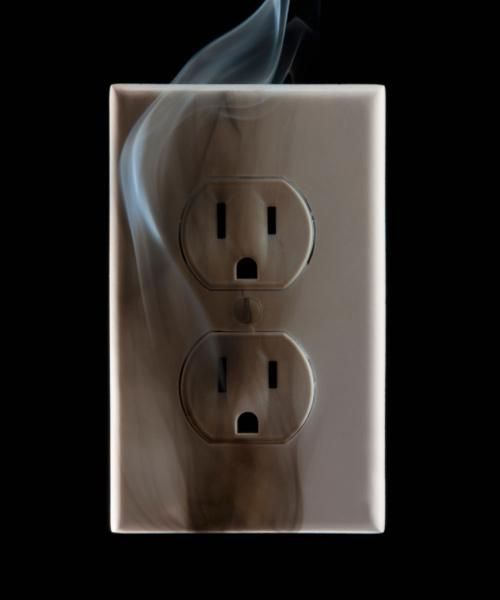
5 Electrical Fire Warning Signs You Can’t Ignore
Before a full electrical fire breaks out, your outlets send clear warning signals. Recognizing these electrical fire warning signs can save your home and your life:
1. Hot Outlet Cover or Faceplate
An outlet should never feel warm to the touch. If the cover plate is hot or even noticeably warm, electricity is converting to heat somewhere it shouldn’t — usually due to loose connections or overloaded circuits.
Quick test: Place the back of your hand near the outlet (don’t touch directly). If you feel heat radiating, call an electrician immediately.
2. Sparking Outlet When Plugging In
A brief blue spark when plugging in a device is normal. But if you see:
- Large yellow or white sparks
- Sparks that last more than a split second
- Sparks accompanied by a “pop” sound
- Sparks even when nothing is being plugged in
…you have a serious arcing problem that can ignite surrounding materials.
3. Melted Outlet Symptoms
Look for these visible melted outlet symptoms:
- Discolored or brown/black scorch marks on the faceplate
- Faceplate warped or misshapen from heat
- Plastic around the slots melted or deformed
- Plug won’t insert fully or falls out easily
⚠️ NEVER use an outlet showing melted symptoms. Even if it still “works,” the internal damage makes it a ticking time bomb. Turn off the breaker and replace it immediately.
4. Outlet Smells Like Burning Plastic
This distinct odor means the plastic insulation on wires inside the wall is overheating. As it degrades, it releases toxic fumes and becomes increasingly flammable. The smell may come and go as the circuit heats and cools.
5. Buzzing or Crackling Sound
Electricity should flow silently. A buzzing, humming, or crackling sound from an outlet indicates loose connections causing tiny electrical arcs — essentially miniature lightning bolts inside your wall.
Burning Smell from Outlet But Nothing Plugged In — Why?
This is one of the most confusing — and dangerous — scenarios for Chicago homeowners. You walk into a room, detect a burning smell from the outlet, but nothing is plugged in. How is this possible?
The Hidden Culprits
1. Internal Wiring Degradation
In Chicago’s older homes (especially pre-1960s buildings in Hyde Park, Bronzeville, and Rogers Park), wiring insulation becomes brittle over time. Even without a load, degraded insulation can allow wires to touch, creating a short circuit and burning smell.
2. “Phantom Loads” & Vampire Power
Many modern devices draw small amounts of power even when “off”:
- TVs on standby
- Phone chargers left plugged in
- Smart home devices
- Microwave clocks
While individually small, multiple phantom loads on an already compromised circuit can generate enough heat to produce a burning odor.
3. Neighboring Circuit Issues
In multi-unit Chicago buildings (common in Lakeview and Uptown), you might smell burning from an outlet on your circuit that’s actually originating from a neighbor’s unit. Shared walls and conduits allow odors to travel.
4. Rodent Damage
Chicago’s notorious rat problem extends inside walls. Rodents chew wiring insulation, exposing live wires. When these wires contact each other or metal studs, you get arcing, heat, and burning smells — even with nothing plugged in.
Is a Burning Smell from Outlets Dangerous?
Yes — absolutely. A burning smell from outlets is never “normal” and should never be ignored. Here’s what the data tells us:
Chicago Electrical Fire Statistics
- The Chicago Fire Department responds to approximately 500+ electrical fires annually
- Older neighborhoods (South Side, West Side, parts of North Side) see disproportionately higher rates
- Electrical fires peak during January-February (space heater season) and July-August (AC overload)
- The leading cause? Faulty wiring and overloaded circuits — both preceded by warning signs like burning smells
When to Evacuate Immediately
Call 911 first, then an electrician, if you notice:
- Visible smoke from outlets or walls
- Flames or glowing behind outlet covers
- Burning smell accompanied by flickering lights throughout the house
- Breaker that won’t reset or makes buzzing sounds
- Multiple outlets hot simultaneously
🚨 LIFE-SAVING TIP: If you suspect an active electrical fire, never use water to extinguish it. Water conducts electricity and can electrocute you. Use a Class C fire extinguisher or evacuate and wait for the fire department.
What to Do If You Smell Burning from Outlets in Chicago
Follow these 3 emergency steps immediately:
Step 1: Turn Off the Breaker ⚡
Locate your electrical panel (usually in the basement, utility room, or garage). Find the breaker controlling the affected outlet and flip it to OFF. If you’re unsure which breaker it is, or if multiple outlets are affected, turn off the main breaker to cut all power.
⚠️ Chicago Building Code Note: Pre-1960s Chicago homes often have fuse boxes instead of breaker panels. If you have fuses, do not attempt to replace a blown fuse until an electrician inspects the circuit. Repeatedly blowing fuses is a serious warning sign.
Step 2: Unplug Everything 🔌
Carefully remove all plugs from the affected outlet and nearby outlets on the same circuit. Do not touch the outlet faceplate if it feels hot or looks discolored. If the plug itself is hot or melted, use oven mitts or wait for it to cool.
Step 3: Call a 24/7 Emergency Electrician 📞
Even if the smell fades after turning off the breaker, the danger is not gone. The underlying issue — damaged wiring, loose connections, or overloaded circuits — remains and will worsen. Only a licensed Chicago electrician can safely diagnose and repair the problem.
Need an Emergency Electrician in Chicago NOW?
We arrive within 60 minutes in all Chicago neighborhoods
📞 (312) XXX-XXXX
Licensed | Insured | 24/7 Emergency Service
How Much Does Outlet Repair Cost in Chicago?
Outlet Repair in Chicago: $150 – $500+ per outlet
Final cost depends on extent of damage and wiring condition
Cost Breakdown
| Service | Typical Cost | What’s Included |
|---|---|---|
| Standard outlet replacement | $150 – $250 | New outlet, labor, basic testing |
| GFCI outlet installation | $200 – $350 | GFCI outlet, labor, code compliance |
| Outlet + wiring repair (short section) | $300 – $500 | New wiring, outlet, wall repair |
| Circuit rewiring (full room) | $800 – $2,500 | Complete circuit replacement |
| Electrical panel upgrade | $2,000 – $5,000+ | New panel, permits, full-home inspection |
Factors Affecting Cost in Chicago
- Age of home: Pre-1950s homes often need more extensive work
- Permit requirements: Chicago requires permits for most electrical work — we handle all permitting
- Accessibility: Outlets in finished basements or behind drywall cost more to access
- Aluminum wiring: Requires special connectors and expertise (adds 20-30% to cost)
- Emergency vs. scheduled: True emergencies (nights/weekends) may have higher rates
💰 Good News: We offer free estimates for all Chicago homeowners. No hidden fees, no pressure — just honest pricing and expert advice.
DIY vs Professional: What Chicago Homeowners Need to Know
| Factor | DIY Repair | Licensed Electrician |
|---|---|---|
| Safety | ❌ Risk of electrocution & fire | ✅ Trained, insured, safe |
| Chicago Code Compliance | ❌ Likely violates code | ✅ 100% code-compliant |
| Insurance Coverage | ❌ Voids homeowner’s policy | ✅ Work guaranteed & insured |
| Permits | ❌ No permit = fines up to $500 | ✅ All permits handled |
| Hidden Issues | ❌ Misses root cause | ✅ Full diagnostic inspection |
| Resale Value | ❌ Red flag for buyers | ✅ Adds value & peace of mind |
| Cost | $5 – $20 (outlet only) | $150 – $500 (full service) |
⚠️ Chicago Law: The City of Chicago requires a licensed electrician for most electrical repairs. DIY electrical work is not only dangerous — it’s illegal and can result in fines, insurance denial, and liability issues if a fire occurs.
Chicago Electrical Code & Permit Requirements
Chicago operates under the Chicago Electrical Code, which is based on the National Electrical Code (NEC) but includes stricter local amendments. Here’s what homeowners need to know:
When Do You Need a Permit?
- Outlet replacement: Permit required if wiring is modified
- New outlet installation: Always requires permit
- Circuit additions: Always requires permit
- Panel upgrades: Always requires permit + inspection
Chicago-Specific Requirements
- Conduit: Chicago requires metal conduit (EMT) for most residential wiring — not Romex/NM cable like suburban areas
- AFCIs: Arc-Fault Circuit Interrupters required in all bedrooms and living areas
- GFCIs: Ground-Fault Circuit Interrupters required in bathrooms, kitchens, garages, and outdoor outlets
- Tamper-resistant outlets: Required in all homes (child safety)
✅ We Handle Everything: Our licensed electricians pull all necessary permits, schedule inspections, and ensure 100% code compliance. You don’t have to deal with City Hall — we handle it all.
Chicago Neighborhoods We Serve
Our 24/7 emergency electricians serve all Chicago neighborhoods, with average response times under 60 minutes:
Lincoln ParkWicker ParkHyde ParkLakeviewLogan SquareBucktownRiver NorthOld TownGold CoastStreetervilleSouth ShoreBronzevilleAustinEnglewoodGarfield ParkRogers ParkUptownAndersonvilleEdgewaterWest LoopPilsenLittle ItalyChinatownBridgeport
Don’t see your neighborhood? Call us — we cover all of Chicago and surrounding suburbs including Oak Park, Evanston, Skokie, and Cicero.
Frequently Asked Questions
Q: Why does my outlet smell like fish?
A “fishy” odor from outlets is actually a misidentified electrical fire warning. The smell comes from burning plastic insulation and wire coatings — not fish. Many Chicago homeowners mistake this for a dead animal or garbage. If you detect a fishy smell near outlets, turn off power and call an electrician immediately.
Q: Can a burning outlet cause a fire?
Yes. A burning smell indicates that materials inside or near the outlet are already overheating. Given enough time and oxygen, this can ignite surrounding wall materials. According to the National Fire Protection Association, electrical failures cause over 50,000 home fires annually in the U.S.
Q: How fast can an electrician come in Chicago?
Our emergency electricians arrive within 60 minutes in all Chicago neighborhoods, 24/7. We understand that electrical emergencies can’t wait — especially in winter when a power outage can be life-threatening.
Q: Do I need a permit for outlet replacement in Chicago?
It depends. Simple outlet replacement (same location, no wiring changes) typically doesn’t require a permit. However, if the wiring is damaged, if you’re adding a new outlet, or if the circuit needs upgrading, a permit is required. We handle all permitting at no extra charge.
Q: Why do Chicago homes have more electrical problems than suburbs?
Three main reasons: (1) Aging housing stock — Chicago has some of the oldest homes in the country; (2) Strict conduit requirements — while safer, metal conduit makes repairs more complex; (3) ComEd infrastructure — older grids in city neighborhoods experience more surges and outages.
Q: Will my homeowner’s insurance cover electrical fire damage?
Most policies cover electrical fire damage, but they may deny claims if the fire resulted from unpermitted DIY work, known hazards that weren’t addressed, or failure to maintain the electrical system. Using a licensed electrician protects your coverage.
Q: How can I prevent outlet burning smells in the future?
Follow these prevention tips:
- Never overload outlets (one high-wattage device per outlet)
- Use space heaters on dedicated circuits
- Schedule an electrical inspection every 5-10 years
- Replace outlets every 15-20 years
- Install AFCIs and GFCIs where required
- Address flickering lights or buzzing sounds immediately
🔥 Don’t Wait Until It’s Too Late
A burning smell from your outlets is a 5-alarm warning. Every minute you wait increases the risk of fire.
📞 Call (312) XXX-XXXX Now
24/7 Emergency Service | Licensed & Insured | All Chicago Neighborhoods
Free Estimates | Same-Day Repairs | 100% Satisfaction Guaranteed
Related Articles:
Circuit Breaker Keeps Tripping in Chicago | Electrical Panel Replacement Cost in Chicago | Flickering Lights in Chicago Homes: Causes & Fixes | Ceiling Fan Installation in Chicago