
How much does an electrician cost? Learn the average electrician prices, hourly rates, and what affects the cost of electrical repairs, installations, and emergency services.
Planning an electrical project can be stressful, especially when you start wondering, “How much is this going to cost me?” Whether you are dealing with a flickering light in California, a power surge in Texas, or need a full panel upgrade in Florida, understanding the market rates is the first step to a safe and successful repair.
At our 24/7 dispatch center, we connect thousands of homeowners with licensed professionals every day. We know exactly what the current market looks like, from the high-cost metros of New York to the more affordable suburbs of the Midwest. If you need an immediate estimate, call our specialists now—otherwise, read on for the most comprehensive breakdown of electrician costs in the U.S.
1. National Average Electrician Hourly Rates: What to Expect in Your State
The cost of hiring an electrician isn’t a single flat number; it varies significantly based on where you live and the expertise of the pro you hire.
1.1. West Coast Rates: California, Washington, and Oregon
In states like California, especially in hubs like San Jose or Los Angeles, labor rates are typically higher than the national average. Expect to pay a premium for a licensed professional due to high living costs and strict state licensing requirements.
1.2. Southern U.S. Pricing: Texas, Florida, and Georgia
The South generally offers more competitive pricing. In Texas or Florida, hourly rates are often more affordable. However, during hurricane season or extreme heatwaves, demand spikes, and so do the emergency call-out fees.
1.3. Northeast and Tri-State Area: New York, New Jersey, and PA
In high-density areas like New York City, electrician costs can skyrocket. Between union regulations and parking fees, homeowners often see some of the highest rates in the country.
1.4. The Midwest Market: Illinois, Ohio, and Michigan
States like Ohio and Michigan fall right into the national sweet spot. Average rates here are usually very competitive, making it one of the most affordable regions for major electrical overhauls.
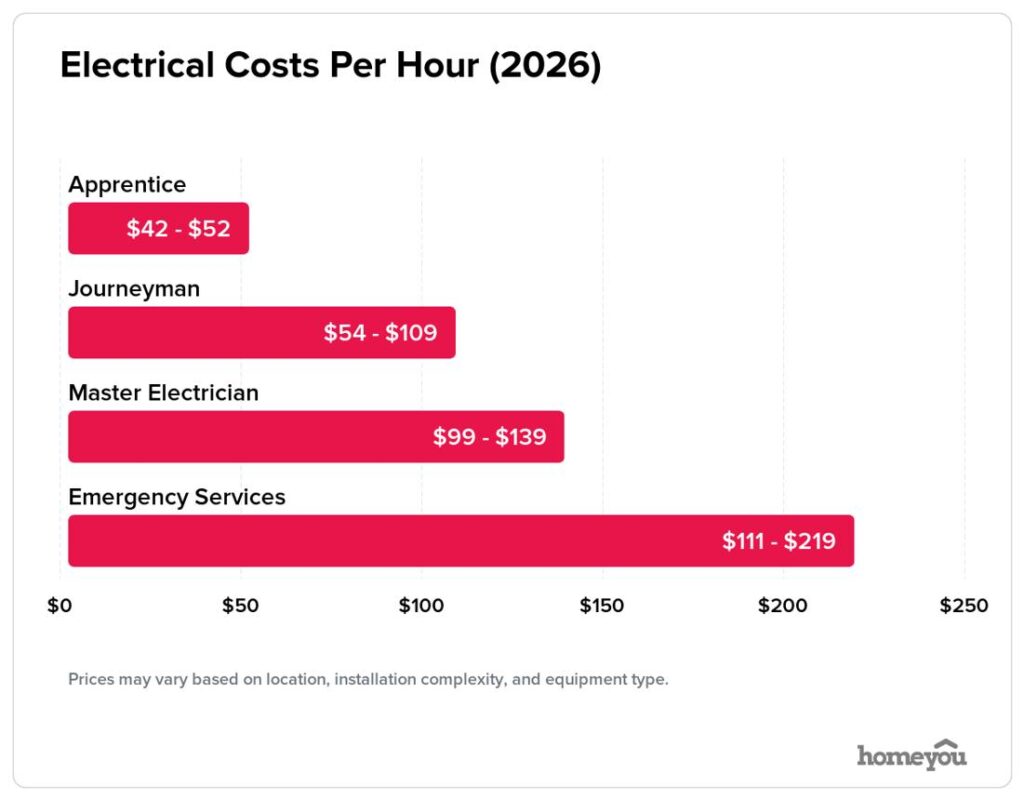
1.5. Why “Master Electricians” Cost More (and Why They Are Worth It)
A Master Electrician has thousands of hours more experience than a Journeyman. While they charge a higher hourly rate, their ability to diagnose complex issues in half the time often saves you money in the long run.
2. Flat Fees vs. Hourly Rates: Navigating Electrical Service Pricing
How you are billed can be just as important as the total amount. Understanding these two main pricing models will help you avoid “sticker shock” when the bill arrives.
2.1. When Hourly Rates Make the Most Sense
Hourly billing is standard for troubleshooting. If your electrician doesn’t know exactly what’s wrong—like a mysterious “burning smell”—they will charge by the hour to find and fix the source.
2.2. The Rise of Flat-Fee Pricing for Standard Jobs
Many modern companies are moving toward flat-fee pricing for common tasks. This means you pay a set price for a “Breaker Replacement” regardless of how long it takes. This provides peace of mind and price transparency.
2.3. Understanding the “Service Call Fee” or “Trip Charge”
Most electricians charge a base fee just to show up at your door. This covers their travel time, fuel, and the initial assessment. In many cases, this fee is waived if you hire them to do the repair.
2.4. Minimum Labor Charges: The 1-Hour Rule
Even if a repair takes 15 minutes, most pros have a one-hour minimum. This ensures the job is worth the time it took to drive to your location and set up equipment.
2.5. Material Markups and Transparency
Does the quote include the wires, outlets, and breakers? Some electricians include materials in their flat fee, while others bill them separately with a small markup. Always ask for a detailed breakdown.
3. Cost Breakdown for Common Electrical Repairs and Upgrades
To help you budget, we’ve compiled a breakdown of the most common jobs we dispatch across the country.
| Electrical Job | Estimated Cost Range (National Average) | Time to Complete |
|---|---|---|
| Outlet or Switch Replacement | Competitive Market Rates | 1 – 2 Hours |
| Ceiling Fan Installation | Standard Professional Rates | 2 – 4 Hours |
| Circuit Breaker Replacement | Fixed Service Pricing | 1 – 2 Hours |
| GFCI Outlet Installation | Safety Upgrade Pricing | 1 – 2 Hours |
| Electrical Panel Upgrade (200 Amp) | Major Project Estimates | 8 – 12 Hours |
| EV Charger Installation (Level 2) | Custom Installation Fees | 3 – 6 Hours |
| Full Home Rewiring | Comprehensive Home Estimates | 1 – 2 Weeks |
3.1. Why Panel Upgrades are the Most Important Investment
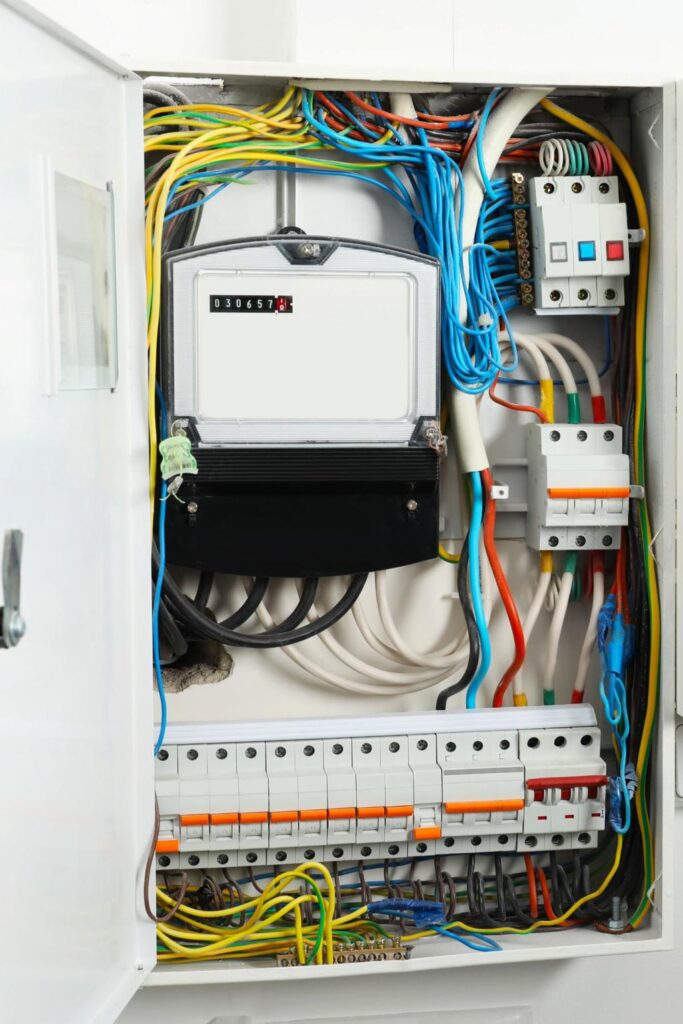
Your electrical panel is the heart of your home. If you live in an older home in Pennsylvania or Massachusetts, your 60-amp or 100-amp panel might be a fire hazard. Upgrading to 200 amps is the #1 way to increase home safety and value.
3.2. The Cost of Safety: GFCI and AFCI Protection
GFCI outlets are required in kitchens and bathrooms to prevent shocks. If your home isn’t up to code, expect to pay for these specialized outlets, but they are literally life-savers.
4. Emergency Electrician Costs: What to Pay When the Lights Go Out
Electrical emergencies don’t happen between 9 AM and 5 PM. When you have a smoking outlet at 2 AM on a Sunday, you need help fast.
4.1. What Qualifies as an Electrical Emergency?
- A burning smell coming from the walls or panel.
- Loud humming or buzzing from the breaker box.
- Loss of power to critical medical equipment.
- Water damage to electrical systems after a storm.
4.2. After-Hours and Weekend Premiums
Emergency rates are typically higher than the standard hourly rate. You can expect to pay a premium for immediate dispatch during nights, weekends, or holidays.
4.3. The “Urgency Fee” vs. The Repair Cost
Some companies charge a flat “Emergency Dispatch Fee” on top of their hourly rate. While it seems expensive, it guarantees that a technician will be at your home within a very short timeframe.
4.4. Why DIY is Dangerous During an Emergency
In an emergency, the risk of fire or electrocution is at its highest. Saving on a service call isn’t worth losing your home. Always call a pro when you smell smoke or see sparks.
4.5. How to Get a 24/7 Dispatch Right Now
If you are in the middle of an emergency, don’t wait. Call our 24/7 hotline now. We have licensed electricians on standby in every major US city ready to restore your power safely.
5. Factors That Can Unexpectedly Increase Your Electrical Bill
Every home is different, and sometimes a simple job turns into a complex project. Here is what might drive your costs up.
5.1. Outdated Wiring (Knob and Tube or Aluminum)
If your electrician opens a wall and finds old “Knob and Tube” wiring, they may be legally required to replace it to meet modern safety codes. This can turn a simple job into a significant project.
5.2. Accessibility and Wall Repairs
Is your panel in a cramped crawlspace? Is the wiring behind lath and plaster walls? The harder it is to reach the wires, the more you will pay in labor hours.
5.3. Permitting and Local Inspections
For major work like panel upgrades or rewiring, your city will require a permit. Permit fees vary by city and are a necessary part of ensuring your home remains safe and insured.
5.4. Travel Distance and Remote Areas
If you live in a rural area far from the nearest city center, you may be charged a travel fee to cover the extra time and fuel.
5.5. Grouping Jobs to Save Money
Pro Tip: Don’t call an electrician just to fix one outlet. Make a list of several small issues and have them fixed all at once. You will only pay one service call fee, saving you money instantly.
Conclusion: Don’t Gamble with Your Home’s Safety
When it comes to electricity, the cheapest option is rarely the safest. Hiring a licensed, insured, and experienced electrician ensures that your home meets code and your family stays safe.
Whether you need a simple repair or a massive upgrade, knowing the costs helps you stay in control. Ready to get your electrical issues fixed? Call our 24/7 nationwide support line now for a fast, reliable estimate from a pro near you!
Disclaimer: Prices mentioned are estimates based on national averages. Actual costs may vary based on specific job requirements and local market conditions.