Hey there, fellow American homeowner! If you’re reading this, chances are you’ve just experienced that unsettling, stomach-dropping moment: a burning smell coming from one of your electrical outlets. I get it. Your heart probably skipped a beat, and a million questions are racing through your mind. Is it serious? Is my house going to catch fire? What do I do right now?
As a master electrician who’s seen it all, from the bustling brownstones of Boston to the sprawling ranches of Texas, I can tell you one thing for sure: never ignore a burning smell from an electrical outlet. It’s your home’s way of screaming for help, a critical warning sign that something is seriously wrong. This isn’t just about a bad odor; it’s about your family’s safety and the integrity of your property. So, take a deep breath, and let’s tackle this together. This guide is designed to give you clear, actionable steps and expert insights, straight from someone who’s been in the trenches of electrical emergencies across this great nation.
Hold On, Don’t Panic! What That Burning Smell Really Means for Your Home
When that acrid scent hits your nostrils, it’s natural to feel a surge of panic. But before you grab the fire extinguisher (or worse, a bucket of water!), let’s understand what your nose is trying to tell you. This isn’t just some random household odor; it’s a specific signal from your electrical system, and deciphering it is the first step to safety.
Is It Just Dust, or Something More Sinister? First Impressions Matter
We’ve all been there. You turn on the furnace for the first time in winter, or plug in an old appliance, and you get a faint, dusty, burning smell. Sometimes, it is just dust burning off heating elements. But when it comes to an electrical outlet, that dust-burning smell can quickly escalate into something far more dangerous. The key is to differentiate. Does it smell like a faint, temporary dust burn, or is it a sharp, acrid, persistent odor that screams “electrical fault”? If there’s any doubt, always err on the side of caution.
The Unmistakable Odor: When to Trust Your Nose (and When to Act Fast)
Your sense of smell is an incredibly powerful tool for detecting electrical problems. Unlike a leaky pipe that you might see, electrical issues often manifest first as an odor. A burning smell typically indicates overheating. This could be melting plastic insulation, scorching wires, or even an electrical arc. If the smell is strong, persistent, and localized to an outlet, it’s a red flag. Don’t second-guess yourself; trust your instincts and prepare to act.
From a Faint Whiff to a Strong Stench: Understanding the Intensity Scale
The intensity of the burning smell can give you clues about the severity of the problem. A faint, intermittent smell might suggest an early stage issue, like a loose connection just starting to heat up. A strong, continuous stench, however, indicates significant overheating and a much more immediate danger. Think of it like a smoke detector: a chirp is a warning, but a full alarm demands immediate evacuation. The same principle applies here. The stronger the smell, the faster you need to respond.
Your Home’s Electrical System: A Silent Language of Warning Signs
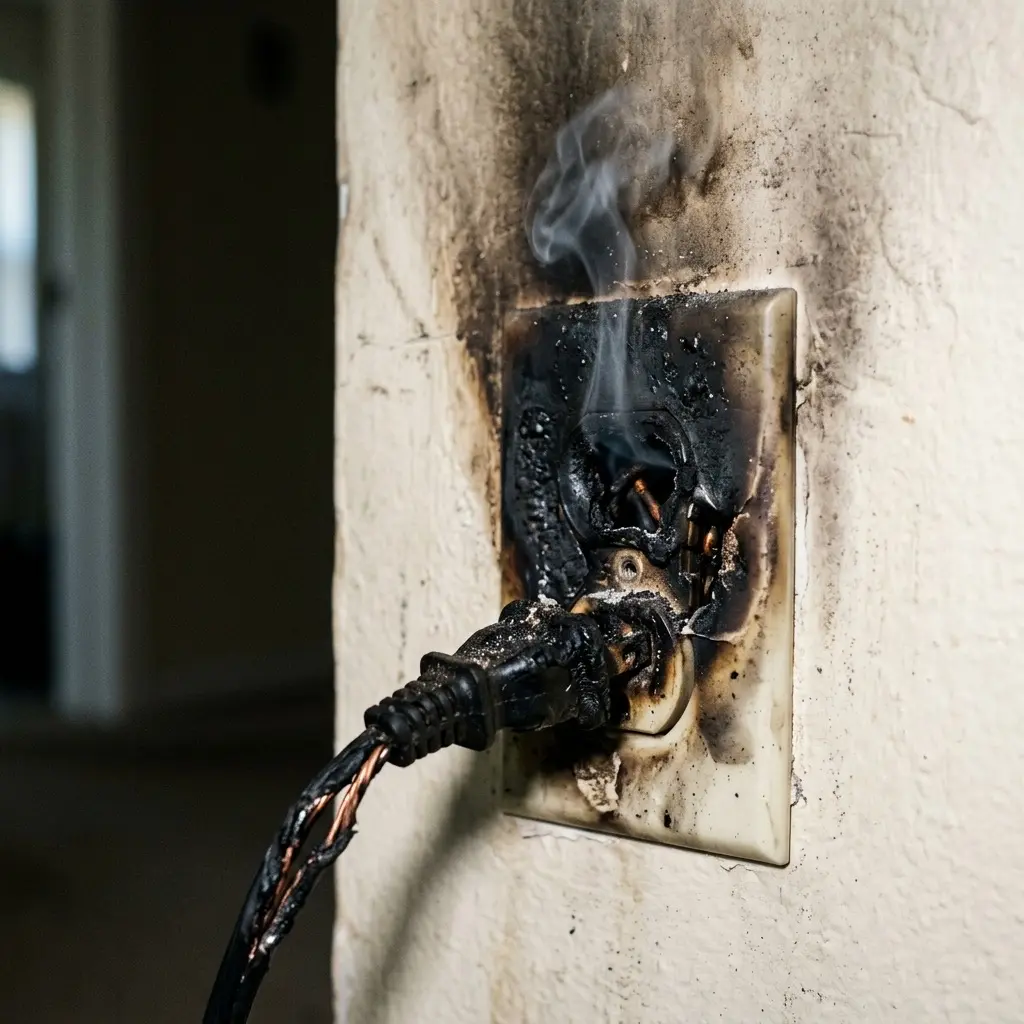
Beyond the smell, your electrical system might be trying to communicate with you in other ways. Are your lights flickering when you plug something into that outlet? Does the outlet feel warm to the touch? Have you noticed any discoloration or scorch marks around the outlet or on the wall? These are all critical visual and tactile cues that, when combined with the burning smell, paint a clearer picture of an impending electrical hazard. Pay attention to these silent warnings; they’re often precursors to bigger problems.
Why Ignoring the Smell is Never an Option: Real-Life Consequences Across the States
From the historic homes of Charleston, South Carolina, with their intricate, aging wiring, to the modern suburban developments of Phoenix, Arizona, where new builds can still have installation flaws, ignoring a burning electrical smell has dire consequences. It’s not just about potential property damage; it’s about the risk of electrical fires, which tragically claim lives and destroy homes every year. The National Fire Protection Association (NFPA) consistently highlights electrical failures as a leading cause of residential fires. Don’t become a statistic. Your proactive response can literally save your home and your loved ones.
The Great American Mystery: Why Does My Outlet Smell Like Rotten Fish?
This is the question that stumps many homeowners and even some less experienced electricians. You’re expecting a burning plastic smell, maybe even smoke, but instead, you get this bizarre, pungent odor that’s distinctly fishy. It’s unsettling, confusing, and often dismissed as something else. But let me tell you, that “rotten fish” smell is one of the most critical warning signs you can encounter, and it demands immediate attention.
Unmasking the Culprit: Bakelite, Overheating, and the “Fishy” Phenomenon
The “fishy” smell is often associated with the overheating of certain types of plastic used in older electrical components, particularly Bakelite. This thermosetting plastic was commonly used in electrical outlets, switches, and circuit breakers for decades. When Bakelite overheats, it releases formaldehyde gas, which has a distinct, acrid, fish-like odor. So, if your outlet smells like a fish market, it’s a strong indicator that an older component is overheating, and that’s a serious fire hazard. It’s not just a New England phenomenon; I’ve encountered this from the old farmhouses in Iowa to the coastal bungalows of California.
Beyond the Fish: Distinguishing Between Plastic, Rubber, and Chemical Burns
While the fishy smell points to Bakelite, other burning odors have their own stories. A burning plastic smell usually indicates that the PVC insulation around wires or the plastic casing of a modern outlet is melting. This is also extremely dangerous. A burning rubber smell might suggest an issue with an appliance cord or motor. And sometimes, you might detect a sharp, metallic, or ozone-like smell, which is often a sign of electrical arcing – tiny electrical discharges jumping across a gap, generating intense heat and breaking down the air around them. Each smell is a clue, guiding you (or your electrician) to the source of the problem.
Old Homes, New Dangers: The Legacy of Outdated Wiring in New England and Beyond
Many homes across the United States, especially in historic regions like New England, the Mid-Atlantic, or even parts of the Pacific Northwest, still operate with electrical systems that are decades old. These systems were never designed to handle the sheer volume of electronics and appliances we use today. Outdated wiring, ungrounded outlets, and original Bakelite components are ticking time bombs. A fishy smell in a charming Victorian home in Vermont or a classic brick colonial in Virginia is a direct call to action, signaling that its vintage electrical system is struggling under modern loads.
The Science of the Stink: How Electrical Arcing Creates Unique Odors
Electrical arcing is a phenomenon where electricity jumps through the air between two conductors, creating a miniature lightning bolt. This arc generates immense heat, often exceeding 10,000 degrees Fahrenheit, which can vaporize metal and ignite surrounding materials. The intense heat and ionization of the air produce a distinct, often metallic or ozone-like smell. If you hear a buzzing or sizzling sound accompanying a burning smell, especially that chemical ozone scent, you’re likely dealing with arcing, and that’s an immediate, severe fire risk. It’s a silent killer that can happen behind your walls without visible flames.
Common Misconceptions: What People Think the Smell Means vs. Reality
It’s easy to dismiss a strange smell. “Oh, it’s just the new lamp,” or “Maybe something spilled.” But with electrical odors, these assumptions can be fatal. Many homeowners mistake the fishy smell for something rotting in the walls, or a dead animal. Others think a burning plastic smell is just a temporary anomaly. The reality is, any persistent, unusual odor from an electrical outlet is a sign of an active problem that requires professional intervention. Don’t let misconceptions lead to disaster; educate yourself and act decisively.
Immediate Action Plan: What Every American Homeowner MUST Do Right Now
Okay, you’ve identified the smell. Now what? This isn’t the time for hesitation. Your immediate actions can prevent a minor incident from becoming a catastrophic fire. Follow these steps precisely, and remember: safety first, always.
The Breaker Box Breakdown: How to Safely Kill Power to the Affected Area
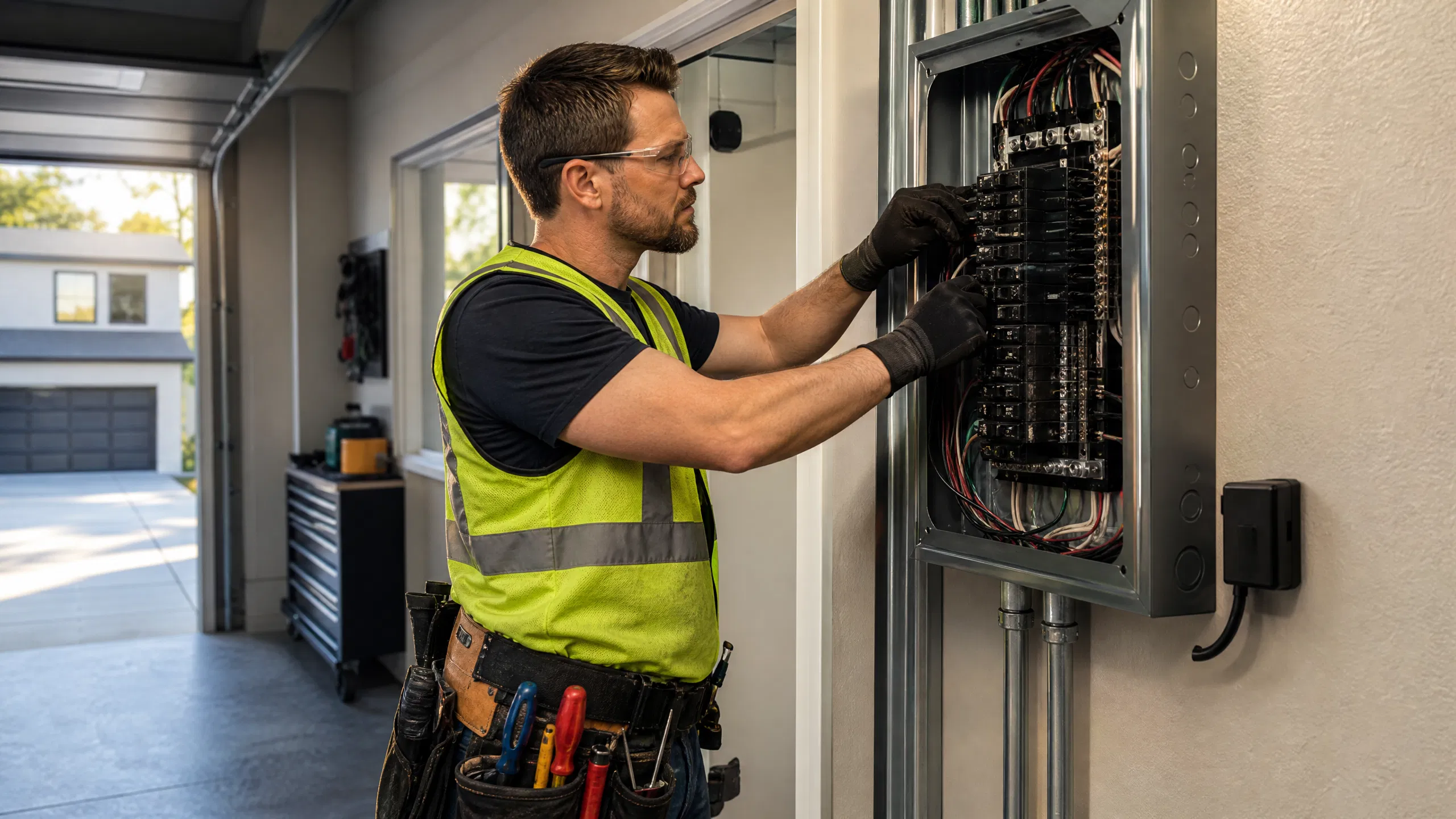
This is your absolute first step. Locate your home’s electrical panel (often in the basement, garage, or a utility closet). Identify the circuit breaker that controls the affected outlet. If you’re unsure, it’s always safest to flip the main breaker to cut power to your entire home. This might be inconvenient, but it’s infinitely better than a house fire. Once the power is off, the immediate danger of further overheating or arcing is significantly reduced. Don’t touch the outlet itself until the power is confirmed off.
Unplugging with Caution: Devices to Disconnect and Why It Matters
After you’ve cut the power, carefully unplug any devices from the problematic outlet. If the plug itself feels hot or shows signs of discoloration, it might be part of the problem. Unplugging removes any load from the circuit, further preventing heat buildup. Even if the power is off, a faulty appliance could still pose a risk if it’s connected to a damaged outlet. Always handle plugs by the plastic housing, not the cord, especially if you suspect damage.
The “No Water” Rule: Why Hosing Down an Electrical Fire is a Deadly Mistake
This is critical: NEVER use water on an electrical fire. Water conducts electricity, and attempting to extinguish an electrical fire with water can lead to electrocution. If you see flames, and you’ve already cut the power, a Class C fire extinguisher (designed for electrical fires) is your safest bet. But your primary goal should be to cut the power and, if necessary, evacuate and call 911. Don’t be a hero; be smart.
Quick Checks You Can Do (Safely!): Visual Cues and What to Look For
Once the power is off and devices are unplugged, you can perform a quick, safe visual inspection. Look for:
- Scorch marks: Any black or brown discoloration around the outlet, on the wall plate, or on the plug itself.
- Melted plastic: Signs of deformation or bubbling on the outlet or plug.
- Loose outlet: Does the outlet feel wobbly in the wall? This can indicate loose wiring.
- Flickering lights: If you noticed lights flickering before the smell, it’s a strong indicator of an intermittent connection.
Remember, this is just a preliminary check. Don’t attempt to open the outlet or manipulate any wiring yourself unless you are a qualified electrician.
When to Call 911 vs. Your Local Electrician: Understanding the Emergency Tiers
Knowing who to call is crucial.
- Call 911 IMMEDIATELY if: You see flames, heavy smoke, or sparks, or if the smell is overwhelming and you can’t safely cut the power. Your life and property are at stake.
- Call a Licensed Electrician if: You’ve cut the power, unplugged devices, and the immediate danger seems contained, but the burning smell was present, or you’ve identified any of the visual cues mentioned above. A professional needs to diagnose and fix the underlying issue. Don’t restore power until an expert has given the all-clear. This is true whether you’re in a high-rise in Chicago or a suburban home in Dallas; an electrician is your best friend in these situations.
Diving Deeper: Common Causes of Burning Outlets Across the USA
Now that you know what to do immediately, let’s explore why that burning smell happened in the first place. Understanding the root cause is essential for preventing future incidents and ensuring your home’s electrical safety. These issues aren’t unique to one state; they’re common challenges faced by homeowners from coast to coast.
Overloaded Circuits: The Texas-Sized Problem of Too Many Appliances
Think about it: how many devices do you have plugged into that one outlet? In today’s world, we’re constantly adding more electronics – chargers, smart devices, kitchen gadgets, entertainment systems. Many older homes, especially those built before the 1970s, simply weren’t designed to handle the electrical demands of modern life. When you plug too many high-wattage appliances into a single circuit, it draws more current than the wiring can safely handle. This excessive current generates heat, which can melt wire insulation, scorch outlets, and, you guessed it, produce that burning smell. It’s a common issue in sprawling homes in Texas, where multiple AC units and entertainment centers can push circuits to their limits, or in dense urban apartments in New York City, where space heaters are often used on already strained circuits.
Loose Connections: A Silent Threat in Every Wall, from California to New York
Inside every outlet and switch are wire connections. Over time, due to vibrations, expansion and contraction from temperature changes, or even improper installation, these connections can loosen. A loose connection creates resistance, and where there’s resistance in an electrical circuit, there’s heat. This heat can build up silently behind your walls, slowly charring the insulation and eventually leading to a burning smell. It’s a pervasive problem, found in everything from a quaint bungalow in San Diego, California, to a historic brownstone in Brooklyn, New York. A loose connection is a prime suspect for that mysterious fishy smell, as it often causes Bakelite components to overheat.
Faulty Wiring: The Hidden Dangers of Aging Infrastructure in Historic Districts
Many of America’s most charming homes, particularly in historic districts like those in Savannah, Georgia, or New Orleans, Louisiana, boast original wiring systems that are well past their prime. Knob-and-tube wiring, aluminum wiring, or simply old copper wiring with degraded insulation can all become fire hazards. Over time, insulation can become brittle, crack, or even be chewed by rodents, exposing bare wires. When these wires touch or arc, they generate intense heat and that tell-tale burning smell. Upgrading old wiring is a significant investment, but it’s a crucial step for safety in these beautiful, aging homes.
Damaged Outlets and Receptacles: Wear and Tear in High-Traffic Areas (e.g., Kitchens, Garages)
Outlets aren’t indestructible. They endure constant use, especially in high-traffic areas like kitchens, bathrooms, and garages. Repeated plugging and unplugging can wear out the internal contacts, leading to a poor connection that generates heat. Physical damage, like a cracked faceplate or a loose receptacle, can also expose wiring or create conditions for overheating. If you notice an outlet that feels loose, has visible cracks, or doesn’t hold a plug securely, it’s a candidate for replacement. This is a common issue in busy family homes everywhere, from the suburbs of Seattle to the bustling kitchens of Miami.
Appliance Malfunctions: When the Problem Isn’t the Outlet Itself
Sometimes, the burning smell isn’t coming from the outlet at all, but from the appliance plugged into it. A faulty appliance, whether it’s an old toaster, a worn-out hair dryer, or a malfunctioning power strip, can draw too much current or have internal wiring issues that cause it to overheat. Always unplug the appliance first. If the smell dissipates, the appliance is likely the culprit. If the smell persists even after the appliance is unplugged (and the power is still on), then the outlet or the home’s wiring is the problem. This distinction is important for accurate troubleshooting.
Moisture Intrusion: Coastal Concerns in Florida and the Pacific Northwest
Homes in humid climates or coastal regions, like the sunny shores of Florida or the rainy Pacific Northwest, face unique electrical challenges. Moisture, whether from high humidity, condensation, or even a small leak, can seep into electrical boxes and outlets. Water is a conductor, and its presence can cause short circuits, corrosion, and arcing, all of which generate heat and that dreaded burning smell. This is why GFCI (Ground Fault Circuit Interrupter) outlets are mandatory in wet areas – they’re designed to trip and cut power if they detect a fault caused by moisture, preventing serious hazards.
Beyond the Burn: Long-Term Solutions and Prevention for a Safer Home
Once the immediate danger is addressed and the root cause identified, it’s time to think about long-term solutions. Proactive measures can prevent future incidents and ensure your home’s electrical system is safe and up to code. Don’t just fix the symptom; cure the disease.
Upgrading Your Outlets: The Smart Switch to AFCI and GFCI Protection
Modern electrical codes (like the National Electrical Code, adopted across most of the USA) mandate the use of advanced outlets for enhanced safety. GFCI (Ground Fault Circuit Interrupter) outlets are essential in areas prone to moisture (bathrooms, kitchens, outdoors, garages) as they protect against severe electric shock. AFCI (Arc Fault Circuit Interrupter) outlets and breakers protect against arc faults, which are a leading cause of electrical fires. If your home has older, standard outlets, especially in critical areas, upgrading to AFCI and GFCI protection is a wise investment in safety. It’s like having a miniature, highly sensitive circuit breaker right at the point of use.
The Power of a Professional Electrical Inspection: Peace of Mind for Your Property
Just like you get your car inspected, your home’s electrical system benefits from periodic professional check-ups. A licensed electrician can perform a thorough inspection, identifying outdated wiring, loose connections, overloaded circuits, and other potential hazards that might not be immediately obvious. This is especially important for older homes, or if you’ve recently purchased a property. An inspection can uncover hidden dangers before they manifest as a burning smell or, worse, a fire. Many states, like California, have specific inspection requirements for certain property transfers, highlighting their importance.
Panel Upgrades: Ensuring Your Home Can Handle Modern Demands (and Future Tech)
If your home was built decades ago, its electrical panel might be undersized for today’s power needs. An outdated panel can lead to frequently tripping breakers, flickering lights, and, yes, overheating. Upgrading to a modern 200-amp service panel provides the capacity and safety features necessary to power all your appliances and electronics without strain. This is a common upgrade in growing cities like Austin, Texas, or booming tech hubs in Washington state, where homes are constantly being updated with new technologies.
The DIY Dilemma: Why Electrical Work is Best Left to Licensed Professionals
While some home repairs are perfect for the DIY enthusiast, electrical work is not one of them. The risks of improper wiring are severe: electrocution, fire, and damage to your home. Electrical codes are complex and constantly evolving. A licensed electrician has the training, experience, and specialized tools to perform work safely and correctly, ensuring it meets all local and national standards. Attempting to fix a burning outlet yourself can turn a manageable problem into a catastrophic one. Don’t gamble with your safety; call a pro.
Smart Home Solutions: Monitoring Your Electrical System for Early Warnings
Technology isn’t just for convenience; it can also enhance safety. Smart home devices, such as smart circuit breakers or outlet monitors, can provide real-time data on your electrical usage and even alert you to unusual activity or overheating. While not a substitute for professional inspection and repair, these tools can offer an extra layer of vigilance, helping you detect potential issues before they become critical. Imagine getting an alert on your phone in Denver, Colorado, that an outlet in your basement is overheating – that’s peace of mind.
Finding Your Trusted Electrician: A State-by-State Guide to Expert Help
So, you’ve dealt with the immediate crisis, understood the potential causes, and now you know you need professional help. But how do you find a reliable, qualified electrician in your area? This isn’t a decision to take lightly. A good electrician is worth their weight in gold, ensuring your home’s safety and preventing future headaches. Here’s what to look for, no matter if you’re in the bustling metropolis of Los Angeles or a quiet rural town in Montana.
What to Look For: Licensing, Insurance, and Local Reputation (e.g., BBB Ratings)
First and foremost, always verify an electrician’s credentials. A licensed electrician means they’ve met state-specific requirements for training, knowledge, and safety. Licensing varies by state – for example, a Master Electrician in Massachusetts has different qualifications than one in Arizona, but the principle of proper certification remains paramount. Next, ensure they are insured. This protects you from liability if an accident occurs on your property. Finally, check their local reputation. Websites like the Better Business Bureau (BBB), Yelp, and Google Reviews can offer insights into their professionalism, reliability, and customer service. Ask for references from neighbors or local community groups; word-of-mouth is often the best indicator of quality.
Asking the Right Questions: Ensuring You Hire a Qualified Professional
When you call an electrician, don’t be afraid to ask questions. A reputable professional will welcome them. Inquire about their experience with your specific issue (e.g., “Have you dealt with fishy-smelling outlets before?”). Ask about their pricing structure – do they charge by the hour or offer a flat rate for diagnostics? Will they provide a written estimate before starting work? Understanding these details upfront can prevent misunderstandings and ensure you’re getting fair value for their expertise. For instance, if you’re in a historic district in Charleston, South Carolina, ask if they have experience with older wiring systems.
Emergency Services: When You Need Help Now, Not Tomorrow
Electrical emergencies don’t adhere to business hours. A burning smell at 2 AM on a Sunday needs immediate attention. Many reputable electrical companies offer 24/7 emergency services. Knowing who to call in a crisis before it happens can save precious time and prevent further damage. Keep their number handy, perhaps on your fridge or in your phone contacts. Whether you’re in a bustling city like Miami, Florida, or a more remote area in upstate New York, having access to emergency electrical services is non-negotiable for homeowner safety.
Understanding Costs: Transparent Pricing and Avoiding Hidden Fees
Electrical repairs can be an unexpected expense, but transparency in pricing is key. A trustworthy electrician will provide a clear, itemized estimate before any work begins. Be wary of contractors who offer extremely low bids, as they might cut corners or add hidden fees later. Conversely, don’t automatically choose the most expensive option; value comes from a combination of expertise, reliability, and fair pricing. Discuss the scope of work, potential complications, and warranty on parts and labor. This due diligence is crucial for homeowners everywhere, from the tech-savvy residents of Silicon Valley to the budget-conscious families in the Midwest.
Local Success Stories: Real Testimonials from Your Neighbors (e.g., from Arizona to Pennsylvania)
One of the best ways to gauge an electrician’s quality is through the experiences of others. Look for testimonials and case studies, especially those from your local community. A company that proudly showcases positive feedback from homeowners in Arizona, Pennsylvania, or your own state demonstrates a commitment to customer satisfaction and a proven track record. These stories often highlight not just technical proficiency, but also professionalism, punctuality, and clear communication – all vital qualities in an electrical service provider.
Why Choosing a Local Expert Matters: Navigating State-Specific Electrical Codes
Electrical codes, while largely based on the National Electrical Code (NEC), can have state-specific and even local amendments. What’s up to code in California might have slight variations in Virginia. A local electrician is intimately familiar with these nuances, ensuring that all repairs and installations meet the exact requirements of your municipality and state. This local expertise is invaluable, preventing costly rework, potential fines, and ensuring your home’s electrical system is not only safe but also compliant with all regulations. They understand the unique challenges of local infrastructure, whether it’s dealing with older homes in New Orleans or new construction in rapidly growing cities like Nashville.
Your Home, Your Safety: A Final Word from Your Master Electrician
If you’ve made it this far, you’re a homeowner who takes safety seriously, and that’s commendable. A burning smell from an electrical outlet is never a minor issue; it’s a critical warning that demands your immediate attention and professional intervention. By understanding the causes, knowing the immediate steps to take, and choosing a qualified electrician, you’re not just fixing a problem – you’re investing in the safety and longevity of your home and the well-being of your family.
Don’t hesitate. If you detect that burning smell again, or if you have any lingering concerns about your electrical system, reach out to a licensed professional. They have the expertise to diagnose the issue accurately, perform repairs safely, and provide you with the peace of mind you deserve. Your home is your sanctuary; let’s keep it safe, sound, and free from electrical hazards, from the sunny coasts of Florida to the snowy peaks of Colorado, and everywhere in between. Stay safe, America!